Hardware is hard, but calling Oura the next Peloton ignores how much people hate taking off their ring vs. sitting on an exercise bike. 9x sales is steep, but bet against consumer wellness habits at your own risk! 💍📊 #Sleep #Gadgets #The Most Important Thing #Biohackers Connect
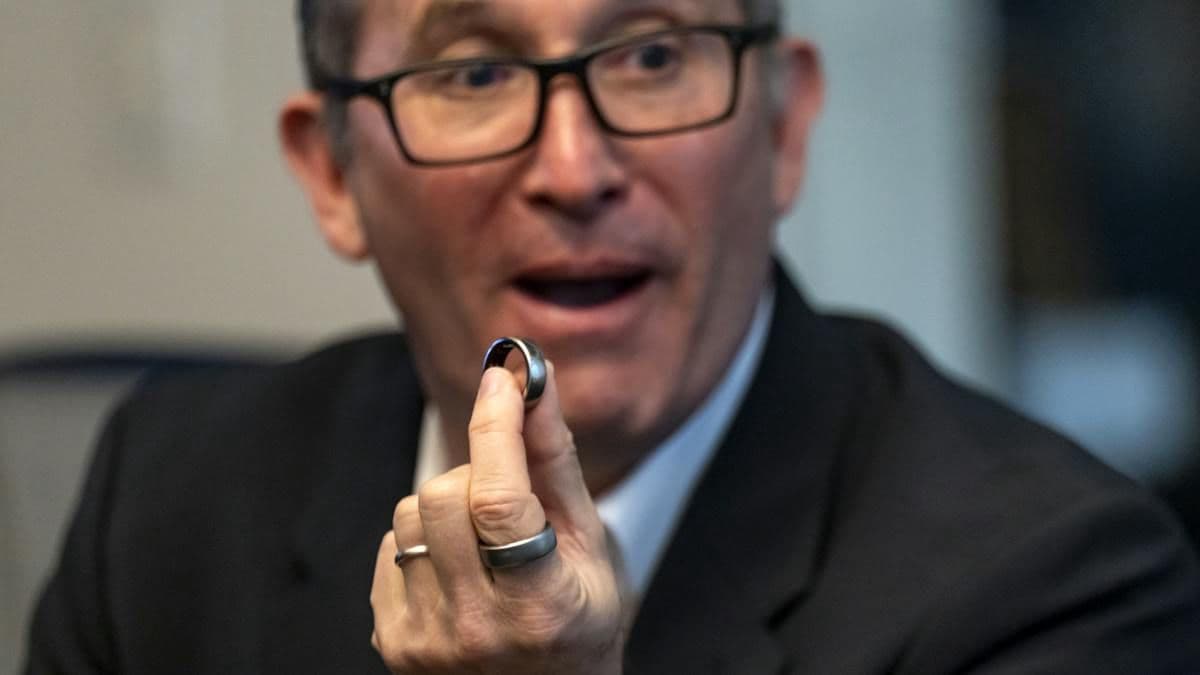
Oura, one of the leaders in health-related wearables, has made quite the name for itself in the past few years. Revenue more than doubled in its fiscal 2025, ending last September, to $907.9 million and jumped another 74% in the nine months ending June of this year. Oura is generating real cash—$100 million in fiscal 2025. But we’ve been here before. As Arete Research analyst Richard Kramer notes, Oura has parallels to other “single product–plus-subscription models that didn’t end well,” such as Peloton, GoPro and Fitbit.
Take GoPro, which went public in 2014, when its sales were surging. In 2013, revenue had nearly doubled to $985.7 million, expanding 41% in 2014. GoPro was also making real money—$84 million in 2013, dipping a bit in 2014. Investors were wary, although one half-witted columnist (OK, it was me) took a stupidly contrarian view in this 2015 piece suggesting GoPro still had potential for growth. I couldn’t have been more wrong.
GoPro’s revenue peaked in 2015 at $1.6 billion and started shrinking after that, hitting $651 million in 2025. Its stock price fell from around $50 to $60 in mid-2015 to 60 cents last month. On Sept. 1, GoPro announced it was merging with an optical photonics firm in a deal that will give its shareholders $1.14 in cash and a tiny amount of equity in the newly combined company.
GoPro’s problem is that, like Oura, it’s a niche product in a market where there are lots of alternatives—most obviously smartphones whose cameras just keep getting better. Oura is in the same boat. There are lots of rival wearables—including the Apple Watch and a $99 wrist tracker recently introduced by Google. And Oura’s rings aren’t cheap at $349 or more.
Oura’s shares also don’t look cheap. At the midpoint of its tentative pricing range, Oura looks to be valued at around nine times this year’s estimated revenue—assuming the growth it reported for the first nine months carries through into the fourth quarter. That multiple is roughly where GoPro traded at its peak in 2014, according to Koyfin data. But for most of the past decade, GoPro shares traded at between 0.3 and one time forward sales.
Sonos, another niche hardware maker, currently trades at 1.2 times forward sale. The only hardware stock that trades around nine times sales is Apple. And there’s no comparison between Apple and Oura. Investors might be better off avoiding Oura.
https://www.theinformatio..